Handcrafted Paths Across Slovenia

Set out on Artisan Itineraries: Visiting Slovenia’s Craft Villages and Workshops, weaving from mountain valleys to the Adriatic coast through Idrija’s lace rooms, Ribnica’s humming woodshops, coastal salt pans, gleaming crystal halls, and alpine boat sheds. Expect hands-on lessons, ethical purchasing choices, and conversations with makers that linger longer than souvenirs, shaping a journey of touch, scent, patience, and pride across quiet lanes, ringing church squares, and fragrant kitchens.

Mapping a Journey Through Makers’ Landscapes

Begin with a generous map and an even more generous mindset. Slovenia’s compact size disguises astonishing variety, letting you combine lacework, woodturning, salt harvesting, glass cutting, and gingerbread in a single week. Build buffers for serendipity, ask about workshop hours ahead, and carry small cash for studio-door purchases that support families directly while honoring the care behind every practiced gesture.

Learning the Bobbin’s Rhythm

Sit with a pillow on your lap, palms hovering, then dare your fingers into the dance: cross, twist, pin, repeat. A lacemaker smiles, guiding your breath to match the steady tap of bobbins. Mistakes become maps. You leave humbled, suddenly aware of how long it takes to hold daylight in a stitch without breaking its fragile shine.

Meeting the Keepers of Patterns

Seek out the lace school, small studios, and weekend bazaars where pattern books feel like family albums. Notice subtle shifts in motifs—flowers, stars, geometries—unique to local hands. When buying, ask about thread weight, washing, and repair. Many makers offer custom work; commissioning a piece connects your memory to their lineage, creating a bond measured in loops rather than time.

Ribnica’s Wood and Clay: Everyday Beauty

Ribnica breathes through the grain of spoons and the curve of clay. Here, suha roba—practical woodenware—evolves with steady hands that know forests intimately, while potters center clay into bowls that prefer soup to pedestals. Workshops smell like resin and damp earth, and tools carry stories shaped by families who measure years in fairs and shavings.

01

The Language of Suha Roba

Run your fingers along a hand-turned ladle and the rim tells you where soup cools best. Sifters whisper of bread to come. The maker explains why beech bends kindly, how maple resists stains, and when to oil handles. Each piece requests use, not display, as if kitchens were galleries and shared meals the only respectful applause.

02

Clay That Lives in the Kitchen

At the wheel, a wobble becomes a lesson in humility; steadying your elbows steadies the world. Glazes echo river stones and forest shade. Potters encourage utility: mugs that balance heat, bowls that welcome stews, plates with honest weight. When fired, the kiln writes its own weather across surfaces, leaving unpredictable constellations that make every breakfast slightly more awake.

03

Walking the Forest with a Carver

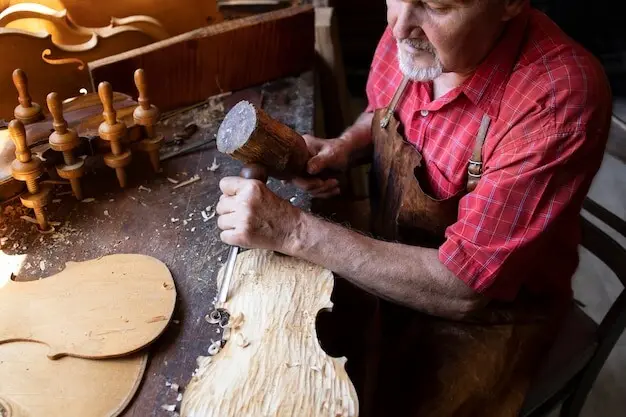
A carver points out trunks like old friends, describing growth rings as diaries of rain and sun. Sustainable harvesting means knowing when to wait, how to season, and which offcuts become toys, buttons, or art. Back in the workshop, curls of pale wood fall like snow, and your breath slows until the blade’s whisper sounds almost like prayer.

Salt and Silence on the Piran Coast

In the Sečovlje salt pans, rectangles of water mirror sky, and movement softens to the pace of wind. Saltworkers coax crystals from sun and patience, using tools that feel timeless. Nearby studios shape soaps, textiles, and ceramics inspired by brine and marsh light. Your footsteps adjust, careful and grateful, as herons and terns draft their own quiet itineraries overhead.

Dawn with the Saltworkers

Arrive while the world is still blue and the first crystalline skins appear. A saltworker hands you a rake, explaining petola, the delicate layer that guides purity. You learn that precision begins with listening—wind, warmth, and the soft scrape of wood. When sun lifts, your palms remember the weight of patience, and pockets carry the briny scent of effort.

Studios That Smell Like Sea Air

In Piran’s lanes, artisans infuse soaps with local salt, press seaweed patterns into clay, and dye fabrics the colors of tidal dusk. A ceramicist shows you how minerals shift a glaze from smoke to pearl. You select a small bowl that holds olives perfectly, promising to serve them slowly, so conversation can taste like waves taking turns.

Birds, Wind, and Gentle Steps

The pans double as sanctuary, so you tread quietly, scanning hides for avocets and stilts. Guides explain migration routes and why silence matters to nesting. Keep drones grounded, follow marked paths, and pack out every wrapper. Respect invites reward: after patience and shade, the wind arrives with a cool hand, and the marsh releases a silver, grateful breath.

Fire, Glass, and Carnival Masks

Eastward, furnaces hum in Rogaška Slatina, where crystal sings against the wheel, while in Ptuj, winter wakes leather, fur, and bells into living folklore. Both places teach choreography—grinders’ steady arcs, mask-makers’ layered stitches—showing how heat and ritual shape objects that sparkle in daylight and thunder through streets when cold months demand courage.

Crystal That Sings Under the Wheel

Inside the glassworks, sparks sketch brief constellations as a cutter guides crystal against a spinning stone. He holds each piece like a heartbeat, reading thickness by sound. Patterns brighten, facets bloom, and water poured later will refract like captured rain. Ask about lead-free formulas, engraving options, and safe packing; the box becomes a chamber for portable starlight.

Meeting a Kurent Master in Ptuj

In a workshop scented with leather and woodsmoke, a maker lifts a half-finished kurent headpiece, explaining feathers, horns, and the clamor of bells. Hands trace stitches taught by elders who danced winters thinner. You try the belt, surprised by its gravity. Respect grows: costumes here are living guardians, stitched with humor, defiance, and promises to wake spring bravely.

Heat, Safety, and Booking Wisdom

Furnaces and festivals run on schedules and care. Reserve tours early, wear closed shoes, tie hair, and follow guides diligently. In mask studios, ask permission before photos and avoid touching delicate work. Confirm shipping for fragile purchases, then note festival dates, parade routes, and museum hours. Preparation keeps wonder bright and your itinerary flowing like steady flame.

Gingerbread Hearts, Painted Hives, and Alpine Boats

North of Ljubljana, sweet scents and golden hums lead to Radovljica, where red hearts shine under icing, and to nearby halls filled with beekeeping wisdom and painted hive panels. Around Bled, boat builders bend planks into quiet strength. These places turn nostalgia into practice, inviting you to taste, paint, sand, and carry home something tender and useful.
A baker slides a tray across the table, steadying your wrist as you pipe looping letters that wobble, then straighten. Recipes mix flour with folklore; every heart bears a message that outlasts sugar. You wrap one for someone you miss, vowing to write more often, because sweetness lasts longer when paired with words shaped carefully and sincerely.
Among honeyed displays, beekeepers describe Slovenia’s Carniolan bees—gentle, diligent, and beautifully adapted. Painted hive panels glow with humor, saints, and sly village scenes. In the workshop, tiny brushes restore faded blues. You try your hand, discovering patience in pigments. Later, tea with a spoon of local honey tastes like meadows speaking kindly through warm ceramic lips.
Zeralorodarikaro
Privacy Overview

This website uses cookies so that we can provide you with the best user experience possible. Cookie information is stored in your browser and performs functions such as recognising you when you return to our website and helping our team to understand which sections of the website you find most interesting and useful.