From Alpine Meadows to Amber Jars: Slovenia’s Living Bee Heritage
Roots in the Hills and Valleys
The Carniolan Bee’s Gentle Genius
Known for calm temperaments, precise foraging, and efficient wintering, the Carniolan bee thrives among linden avenues, acacia stands, and chestnut groves. Beekeepers praise its adaptability, sharing stories of spring buildup synchronized with mountain blooms and village fairs, where children learn to listen for soft hums before they ever lift a frame.
From Pioneers to World Bee Day
Slovenia’s beekeeping legacy honors innovators whose teachings echo in classrooms and apiaries worldwide. Each May 20, World Bee Day spotlights pollinators’ importance, inviting families to plant bee-friendly gardens, taste local honey varieties, and recognize how one small wingbeat sustains forests, farms, and countless cherished recipes passed between generations.
Bee Houses as Community Memory
Wooden bee houses, weathered yet proud, shelter rows of rear-access hives and serve as neighborhood meeting points. Their painted facades and neatly stacked frames hold memories of first swarms, stormy summers, and winter repairs, reminding visitors that artisanal skill and collective care can turn ordinary days into shared seasonal rituals.
Rear-Access Hives for Precise Work
Seasonal Rhythms, From Acacia to Chestnut
Honey in the Kitchen and Cup
Art, Ritual, and Shared Identity
Painted Panels as Storykeepers
Scenes once nailed to hive fronts depict folktales, moral jokes, and everyday heroes, turning apiaries into outdoor galleries. Today, artists reinterpret motifs with contemporary palettes on boxes, journals, and signage. Visitors chuckle, learn, and recognize how rural wit transforms wooden boards into enduring, generous storytellers that welcome curiosity and conversation.
Museums, Routes, and Hands-On Days
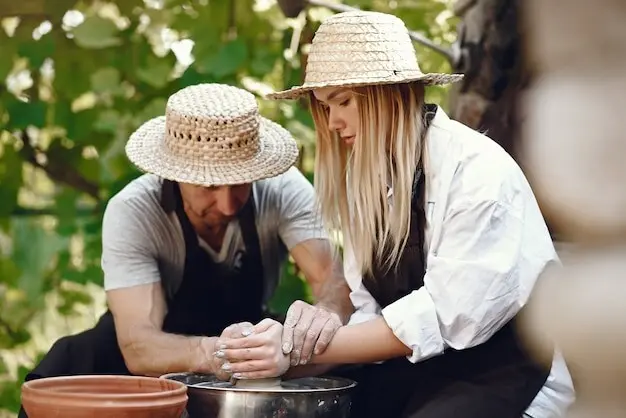
In towns like Radovljica, exhibits trace tools, hive designs, and regional flavors, then invite guests to roll candles or taste honeys. Self-guided routes link apiaries, glassmakers, and bakeries, making day trips easy. Book a workshop, photograph respectfully, and tag your discoveries to inspire fellow travelers seeking meaningful, small-scale cultural experiences.
Travel Kindly, Support Deeply
Meet the Keepers, Learn the Craft
Plant, Protect, and Celebrate Pollinators
Share Your Jar, Join the Conversation
All Rights Reserved.