From Mountain Shadows to Handcrafted Light

Welcome to “Forest to Furniture: Sustainable Woodworking in the Slovenian Alps,” where we follow the living journey of wood from biodiverse highland forests to enduring pieces that carry memory, scent, and touch. Meet foresters, sawyers, and makers who honor place, reduce waste, and design for generations. Expect practical insights, heartfelt stories, and ways you can support forests each time you choose, care for, or repair a beloved wooden object. Share your questions and join the conversation below.

Stewards of the Slope: Harvesting with Heart

In the Slovenian Alps, responsible harvest begins with careful listening—to birdsong returning after winter, to soil that crumbles healthy beneath boots, and to elders who know which beech offers strength without robbing the hillside of shelter. Selective cutting protects mixed stands, supports wildlife corridors, and reduces erosion on steep ground. Horses and light machinery tread softly where roots cling to rock. Every log leaves a traceable path, recorded with pride by communities who see forests as inheritance, responsibility, and daily companion.

Choosing the Right Tree

Foresters mark a single spruce for tonewood because its tight rings grew slowly in cool shade, while a straight beech promises table legs that will not betray the maker’s chisel. Mature oaks sometimes wait another decade to seed new life first. In each decision, they weigh wind exposure, nesting cavities, and mycorrhizal networks. The result is a harvest shaped by humility: take less, leave stronger structure, and let tomorrow’s canopy begin asserting itself today.

Low-Impact Extraction

On narrow trails, a pair of calm draft horses eases logs downhill with patience impossible for heavy trucks. Where spans are long, cable skylines lift trunks above fragile soils, keeping moss carpets and fungi threads intact. Crossings over streams are protected with mats, and ruts are backfilled immediately, preventing winter thaws from carving gullies. Even chainsaw fuel is managed thoughtfully, stored away from watercourses. Efficiency matters, but not at the expense of the quiet, breathing systems that anchor the slope.

Tracking and Certification

Each log carries paperwork linking it to a stand plan, a harvest permit, and a community cooperative. FSC or PEFC certification complements local stewardship, but the deeper trust grows from neighbors who can point to the hillside and say, that one. Sawyers scan QR codes, record dimensions, and capture moisture at intake. A clean chain of custody ensures that when a finished chair arrives in a city apartment, its story remains verifiable, respectful, and honestly told.
Seasoning the Story: Drying That Respects Time

Wood remembers the mountain’s seasons, and drying asks it to learn a new rhythm without losing its voice. In farmyards, careful stacks breathe under wide eaves, aligned to prevailing winds, lifted from splash. Kilns fired by sawdust and offcuts bring precision without waste, turning byproducts into dependable heat. Makers test with calibrated meters and patient fingertips, matching moisture to the room where the piece will live. Slower today means fewer cracks tomorrow, and a lifetime free from needless repairs.

Design With Altitude

Look at a tabletop chamfer that thins toward daylight, recalling a horizon seen after the first climb beyond the treeline. Consider slatted shelving that borrows cadence from hay drying rails, creating shadow rhythms across afternoon sun. Legs splay modestly, like shepherds’ strides, meeting floors with reassuring poise. These forms are not nostalgic decorations but field-tested solutions reclaimed from outdoor logic, reinterpreted indoors. When you trace an edge, you follow a landscape memory made useful, resilient, and quietly modern.
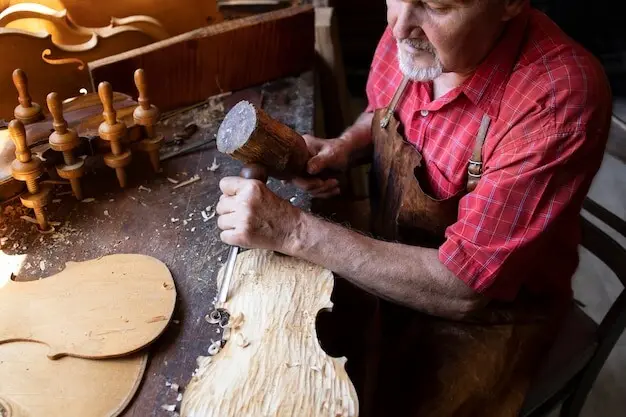
Pinned mortise-and-tenon frames resist racking even when centuries of footsteps cross alpine thresholds. Dovetails lock corners where drawers must endure laughter, cutlery, and hurried mornings. Wedges and drawbore pegs allow tiny seasonal movements without surrendering strength. Where hardware appears, it complements rather than dominates, chosen for serviceability and repair friendliness. Makers leave discreet witness marks—hand-tool tracks beneath tables, a signed rail hidden inside—to honor human hands. Longevity here is not a boast; it is a steady promise, renewed with every repairable detail.
Natural oils and hardwax blends sink into pores, letting wood exchange moisture with rooms that change across seasons. Pigments, when used, echo larch blushes and beech honey, not plastic gloss. Finish schedules are layered: pore-filling, light burnishing, careful curing between coats. Off-gassing is minimized for indoor air health, and touch remains tactile rather than sealed behind brittle armor. When light lands on these surfaces, it finds depth, not a mirror, encouraging daily care rituals that grow intimacy between user and object.

Nothing Wasted, Everything Circulated

Sustainability lives in offcuts sorted by future purpose, in shavings that warm winter mornings, and in sawdust that feeds mushrooms or animal bedding rather than landfills. Layout decisions reduce kerf loss; CNC nesting and hand-scribed templates agree on thrift. Glues and finishes are chosen for repairability and end-of-life options. Packaging becomes reusable, and delivery routes cluster by valley. These small acts add up, transforming a workshop into a circular micro-ecosystem where value continually returns, rather than leaking away unnoticed.

Voices from the Workshop

Craft in the Alps is personal: names stitched into aprons, pencil lines lingering on fingertips, and coffee shared as clamps tighten. Stories carry techniques farther than manuals can, and trust grows when clients hear how storms, mistakes, and small miracles shape each piece. Here, you will meet people who learned by watching uncles rehaft an axe, who salvaged a windthrown giant into a family table, and who invite schoolchildren to sand a final edge, claiming stewardship with laughter and sawdust.

Care, Repair, and Walking the Woods

Ownership is a relationship: oiling a tabletop becomes a small ritual of gratitude, tightening a chair rung prevents future waste, and choosing repair connects you to the maker’s original intention. Thoughtful care plans extend lifespans and reduce material demand from forests that already give generously. Even better, clients visit the very stands that supplied their furniture, learning to read bark, leaf, and lichen. Repair cafes flourish, and scratches become mapped memories instead of flaws to hide. Responsibility grows from touch and time.
Zeralorodarikaro
Privacy Overview

This website uses cookies so that we can provide you with the best user experience possible. Cookie information is stored in your browser and performs functions such as recognising you when you return to our website and helping our team to understand which sections of the website you find most interesting and useful.