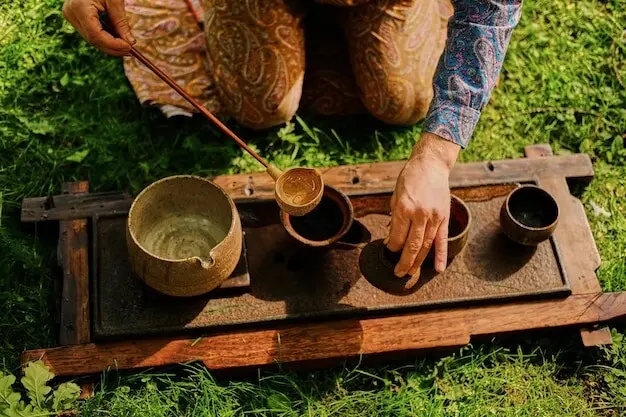
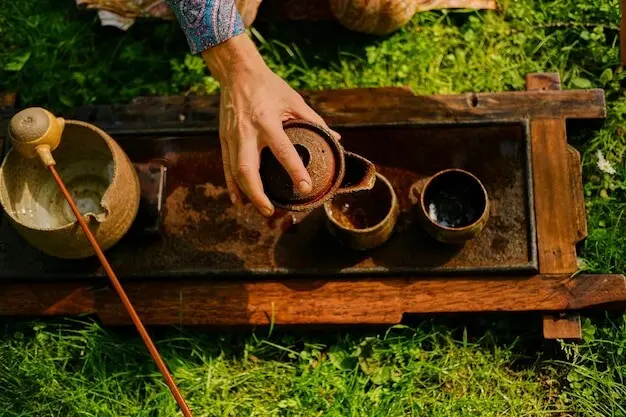
Cooperatives pool tools, knowledge, and fair pricing, making them strong allies for conscious buyers. Expect maker profiles, process photos, and hands‑on demonstrations. You might watch a turner shape beech in real time or see lace patterns stretched on pillows. Co‑ops frequently reinvest profits into apprenticeships, helping the next generation learn sustainable methods and keep rural economies vibrant and resilient.
Museum shops often collaborate closely with local makers, commissioning pieces inspired by collections and vetted for authenticity. Exhibits provide context: you can trace a motif’s origin, understand regional variations, and appreciate why certain materials or forms endure. Purchasing here supports conservation, research, and education, ensuring crafts are documented, taught, and respectfully presented to visitors and communities alike.
Protected areas sometimes host small shops where proceeds fund habitat care and interpretation. At coastal salinas, for instance, staff explain harvesting calendars, pond ecology, and traditional tools, then offer crystals and fleur de sel packaged with minimal waste. These purchases reinforce responsible tourism, link flavor to landscape, and help maintain the delicate balance that makes artisanal production possible year after year.

In Piran, look for traditionally harvested salt packaged in glass or cloth and olive‑wood utensils shaped for daily use. Around the Karst, small studios cut and polish local stone into jewelry or inlay, explaining sourcing and waste. Olive farms may sell small‑batch oil with clear pressing dates. Favor workshops that welcome visits, publish harvest notes, and price items transparently for fair farmer and artisan income.
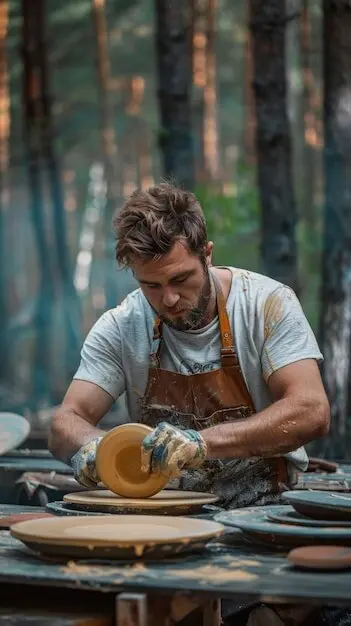
Bled, Bohinj, and Tržič neighborhoods feature sturdy woodenware, warm wool socks, and hand‑painted beehive panels that share folklore in bright scenes. Ask about the painter’s inspirations and panel provenance to avoid reproductions passed off as originals. Responsible workshops share drying times, joinery choices, and dye recipes. Choose items that can be repaired or refreshed, turning a mountain memory into a lifelong companion.
In and around Ptuj, you may see bells, textiles, or careful miniatures referencing the famous Kurent carnival. Seek makers with clear lineage or guild connections who explain symbolism respectfully. Across Prekmurje and Štajerska, pumpkin seed oil producers detail seed sourcing, roasting profiles, and pressing. For pottery, look for balanced forms and food‑safe glazes, plus stamps or cards identifying the studio’s exact location.
Slovenia cherishes beekeeping, and many families bottle raw honey with floral notes tied to tiny valleys and slopes. Ethical buying means supporting keepers who discuss hive health, forage diversity, and responsible treatments. Prefer glass jars with clear labeling and batch numbers. Ask about crystallization and storage, consider pollen or propolis from the same apiary, and always check travel regulations before crossing borders with food products.
All Rights Reserved.