Ethical Souvenirs: A Buyer’s Guide to Locally Made Slovenian Goods

Welcome! This buyer’s guide to ethical souvenirs and locally made Slovenian goods will help you support real artisans, protect delicate landscapes, and carry home meaningful keepsakes. Learn how to identify authentic craft, ask respectful questions, verify origin claims, and choose pieces that honor Slovenian traditions while leaving a positive social and environmental footprint.

Start With Values, Not Impulse

Before you fall for a shiny shelf display, pause and define the impact you want your purchase to make. Ethical souvenirs acknowledge the maker’s labor, use materials with care, and tell a story that travels honestly. With curiosity and patience, you can move beyond clichés, avoid mass‑produced trinkets, and invest in well‑made items that keep craft communities thriving long after you’ve returned home.

Materials That Respect Mountains, Forests, and Sea

Slovenia’s landscapes shape its crafts, and responsible materials keep that bond alive. Ethical souvenirs favor durable woods, naturally dyed textiles, carefully harvested salt, and ceramics fired with attention to energy and waste. Prioritize local, traceable inputs and thoughtful packaging. When makers talk about forest management, wool origins, or salina traditions, they invite you into a stewardship mindset that honors place and people together.

Wood and Forest Wisdom

Seek woodenware from workshops that use responsibly managed beech, maple, or ash, ideally with documented sourcing and repairable finishes. Ribnica’s centuries‑old woodcraft tradition values longevity and everyday usefulness, from butter paddles to sieves. Ask about offcut reuse, non‑toxic oils, and packaging made from recycled paper. A well‑turned spoon or board should feel balanced, smooth, and ready for decades of meals.

Textiles and Lace with Roots

Choose wool, linen, or hemp pieces that reference local flocks, regional weaving, or bobbin‑lace schools. Ask about natural dyes, washing guidance, and how patterns relate to community heritage. Idrija lace, for example, is celebrated for fine technique and patient craftsmanship, often taught through local festivals and classes. Care instructions matter: ethically made textiles last longest when buyers understand gentle cleaning and proper storage.

Salt, Clay, and Stone

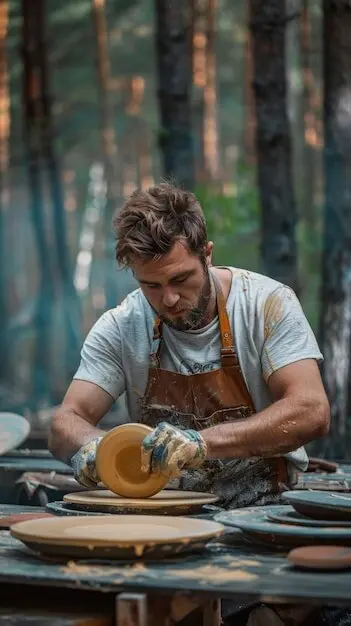
Along the coast, hand‑harvested salt is traditionally gathered in shallow pans with wooden tools, respecting delicate habitats and seasons. In pottery studios, makers discuss clay bodies, glazes, and kiln temperatures, including how they minimize waste. Stone crafts from the Karst region highlight careful extraction and precise finishing. Prioritize items shipped or sold with minimal plastic, recycled padding, and reusable jars or cloth bags.

Where to Shop with Confidence

Trusted spaces make ethical choices easier. Look for community workshops, cooperatives, heritage centers, and park shops that curate authentic goods and explain origins clearly. These venues often host demonstrations, publish artisan directories, and provide transparent pricing. You’ll leave with a receipt, care guidance, and a story that feels complete—plus new connections that turn a simple purchase into a memorable cultural exchange.

Community Workshops and Co‑ops

Cooperatives pool tools, knowledge, and fair pricing, making them strong allies for conscious buyers. Expect maker profiles, process photos, and hands‑on demonstrations. You might watch a turner shape beech in real time or see lace patterns stretched on pillows. Co‑ops frequently reinvest profits into apprenticeships, helping the next generation learn sustainable methods and keep rural economies vibrant and resilient.

Museums and Heritage Centers

Museum shops often collaborate closely with local makers, commissioning pieces inspired by collections and vetted for authenticity. Exhibits provide context: you can trace a motif’s origin, understand regional variations, and appreciate why certain materials or forms endure. Purchasing here supports conservation, research, and education, ensuring crafts are documented, taught, and respectfully presented to visitors and communities alike.

Nature Parks and Salinas

Protected areas sometimes host small shops where proceeds fund habitat care and interpretation. At coastal salinas, for instance, staff explain harvesting calendars, pond ecology, and traditional tools, then offer crystals and fleur de sel packaged with minimal waste. These purchases reinforce responsible tourism, link flavor to landscape, and help maintain the delicate balance that makes artisanal production possible year after year.

Region‑by‑Region Inspirations

Let geography guide your choices and discover how craft evolves with climate, soil, and custom. Coastal towns elevate salt and olive wood accessories; alpine valleys excel in woodwork, woolens, and painted beehive panels; central and eastern areas celebrate pottery, festive masks, and distinctive oils. Each stop invites respect: meet makers, ask questions, and choose pieces that carry a place’s voice clearly and kindly.

Coast and Karst

In Piran, look for traditionally harvested salt packaged in glass or cloth and olive‑wood utensils shaped for daily use. Around the Karst, small studios cut and polish local stone into jewelry or inlay, explaining sourcing and waste. Olive farms may sell small‑batch oil with clear pressing dates. Favor workshops that welcome visits, publish harvest notes, and price items transparently for fair farmer and artisan income.
Alpine North

Bled, Bohinj, and Tržič neighborhoods feature sturdy woodenware, warm wool socks, and hand‑painted beehive panels that share folklore in bright scenes. Ask about the painter’s inspirations and panel provenance to avoid reproductions passed off as originals. Responsible workshops share drying times, joinery choices, and dye recipes. Choose items that can be repaired or refreshed, turning a mountain memory into a lifelong companion.

Eastern Plains

In and around Ptuj, you may see bells, textiles, or careful miniatures referencing the famous Kurent carnival. Seek makers with clear lineage or guild connections who explain symbolism respectfully. Across Prekmurje and Štajerska, pumpkin seed oil producers detail seed sourcing, roasting profiles, and pressing. For pottery, look for balanced forms and food‑safe glazes, plus stamps or cards identifying the studio’s exact location.

Food and Drink Gifts That Travel Well

Honey, Bees, and Respect

Slovenia cherishes beekeeping, and many families bottle raw honey with floral notes tied to tiny valleys and slopes. Ethical buying means supporting keepers who discuss hive health, forage diversity, and responsible treatments. Prefer glass jars with clear labeling and batch numbers. Ask about crystallization and storage, consider pollen or propolis from the same apiary, and always check travel regulations before crossing borders with food products.

Oils, Salts, and Mountain Teas

Slovenia cherishes beekeeping, and many families bottle raw honey with floral notes tied to tiny valleys and slopes. Ethical buying means supporting keepers who discuss hive health, forage diversity, and responsible treatments. Prefer glass jars with clear labeling and batch numbers. Ask about crystallization and storage, consider pollen or propolis from the same apiary, and always check travel regulations before crossing borders with food products.

Wine and Non‑Alcohol Alternatives

Slovenia cherishes beekeeping, and many families bottle raw honey with floral notes tied to tiny valleys and slopes. Ethical buying means supporting keepers who discuss hive health, forage diversity, and responsible treatments. Prefer glass jars with clear labeling and batch numbers. Ask about crystallization and storage, consider pollen or propolis from the same apiary, and always check travel regulations before crossing borders with food products.

Budget, Authenticity, and Lasting Impact

Ethical purchasing is not about spending the most—it is about aligning price with craft, time, and traceable materials. A fair budget recognizes learning curves, workshop overhead, and seasonal rhythms. Authentic sellers document origin transparently, welcome questions, and provide receipts for warranty or repairs. When you champion such practices, you invest in resilient communities and the continuity of beautiful, practical traditions.

Share Your Finds and Grow the Circle

Your voice can amplify ethical makers. Post the stories behind your purchases, tag workshops, and review co‑ops thoughtfully. Encourage friends to ask questions, choose durable goods, and repair before replacing. Subscribe for upcoming artisan interviews, packing tips, and route ideas. Comment with your favorite studios or dilemmas you faced; together we can refine this guide and help responsible craft thrive across Slovenia.
Zeralorodarikaro
Privacy Overview

This website uses cookies so that we can provide you with the best user experience possible. Cookie information is stored in your browser and performs functions such as recognising you when you return to our website and helping our team to understand which sections of the website you find most interesting and useful.